
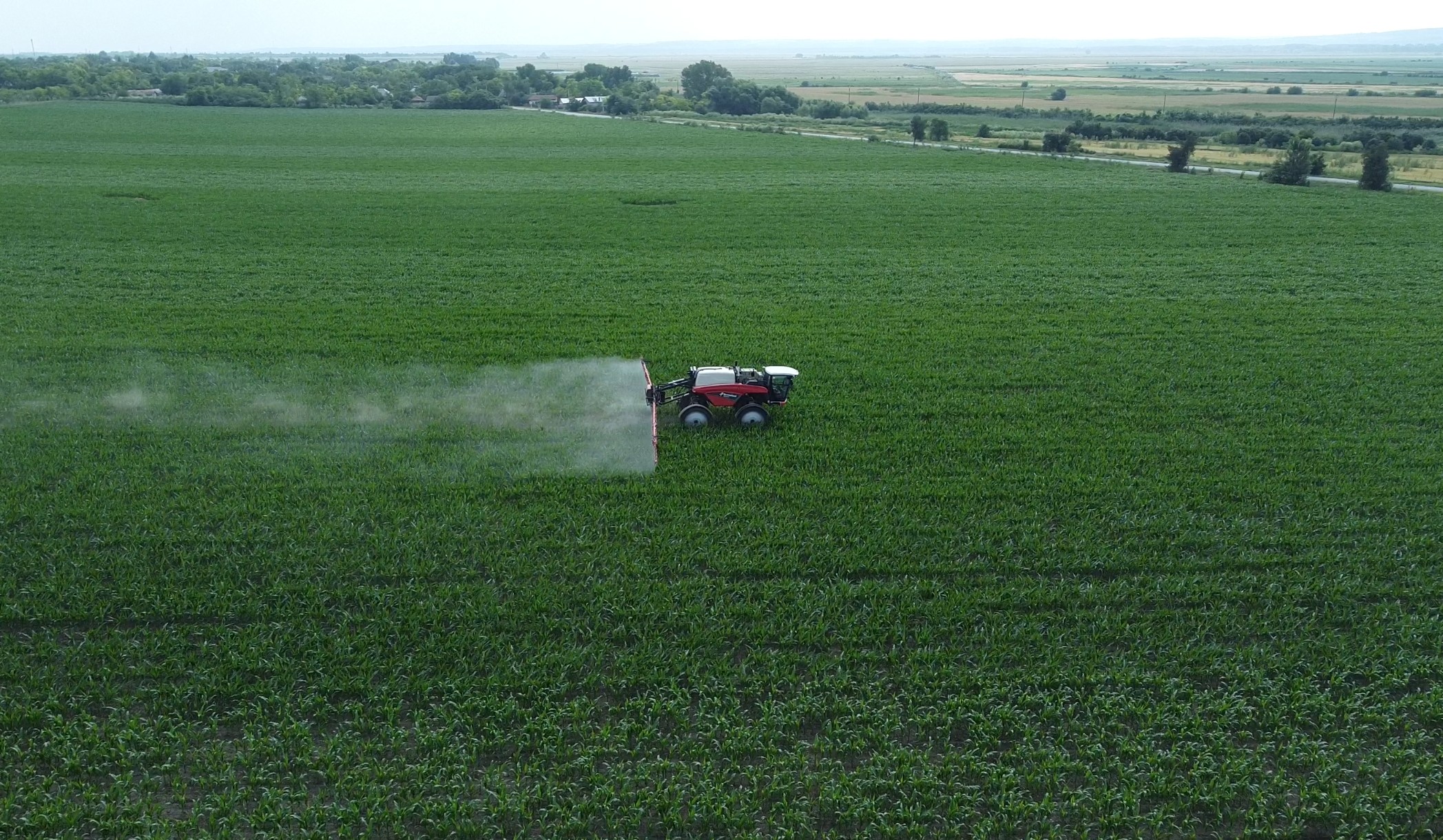
Imagine a plant as an automobile: without the proper fuel, it cannot operate at its full potential. Similarly, plants need nutrients to grow strong, resist diseases, and produce high-quality flowers and fruits. Fertilization is therefore a fundamental tool for plant health and crop productivity.
Why is fertilization beneficial?
Plants require a balanced “menu” of nutrients:
- Macroelements:
- Nitrogen (N) → stimulates leaf and shoot growth.
- Phosphorus (P) → promotes root development and flowering.
- Potassium (K) → improves fruiting and enhances tissue resistance to various stresses.
- Mesoelements:
- Magnesium (Mg) → essential for photosynthesis.
- Calcium (Ca) → crucial for cell structure, stress resistance, and shelf-life.
- Sulfur (S) → important for protein and chlorophyll synthesis.
- Microelements:
- Boron (B), Copper (Cu), Iron (Fe), Manganese (Mn), Molybdenum (Mo), Zinc (Zn) → required in small amounts for enzymatic reactions and vital processes.
Proper fertilization allows to:
- stimulate root establishment and vegetative growth: deeper roots and more vigorous leaves.
- increase resistance: healthy plants cope better with environmental stress and pests.
- maximize productivity: more abundant flowers, higher-quality fruits, and larger harvests.
- safeguard the soil: balanced nutrient supply prevents depletion and supports long-term fertility.
When is the best time to fertilize?
The ideal timing depends on species, soil type, and climatic conditions:
- early growth stages → roots and leaves need nutrients to develop.
- before flowering and at fruit set → extra nutrients support the formation of fertile flowers and fruits.
- during vegetative growth → sustain the plant so that the development of storage organs meets the needs of farmers and markets.
- after harvest → replenish lost nutrients and prepare both plant and soil for the following season.
The risks of incorrect fertilization
Applying fertilizers without proper planning may have serious consequences:
- nutrient excess → too much Nitrogen encourages lush leaves but few fruits; salt accumulation may damage soil structure.
- nutrient deficiency → weak plants, slow growth, and high susceptibility to diseases.
- environmental impact → unabsorbed fertilizers end up in water channels, causing eutrophication and ecosystem damage.
- physiological imbalances → excess or deficiency of microelements can interfere with vital processes such as photosynthesis, enzyme production, and flowering.
How to choose the right fertilizer?
Not all fertilizers are the same. Some technical criteria to consider:
- crop type → vegetables, fruits, cereals, or ornamentals have different needs.
- fertilizer form → liquid or solid, organic or mineral, slow-release or quick-acting.
- nutrient balance → supplying not only macroelements but also mesoelements and microelements when required.
- soil and irrigation conditions → poor soils or extreme water availability may require specific nutrient management strategies.
Conclusion
Fertilizing wisely does not only mean stronger plants and higher yields: it is also a way to protect soil and the environment. Applying the right fertilizer, at the proper time, and in the correct amounts ensures healthy plants, quality harvests, and sustainable and efficient agriculture. In practice, it is an investment that pays off season after season.
PROTEO INTERNATIONAL S.r.l. offers the right nutritional solutions, both in terms of product and experience and knowledge, for all the needs of plants and farmers.